
2025 European Strategy & Policy Briefing
Strategy Session – Building a Shared Agenda for Advancing Sustainable Chemistry
In November 2025, Change Chemistry hosted a strategy session led by Executive Director Jason Pearson and Program Director Jenny MacKellar. The discussion focused on creating a collaborative roadmap for sustainable chemistry innovation. We extend our thanks to P&G InQbet Campus for hosting and to all participants for their valuable contributions.
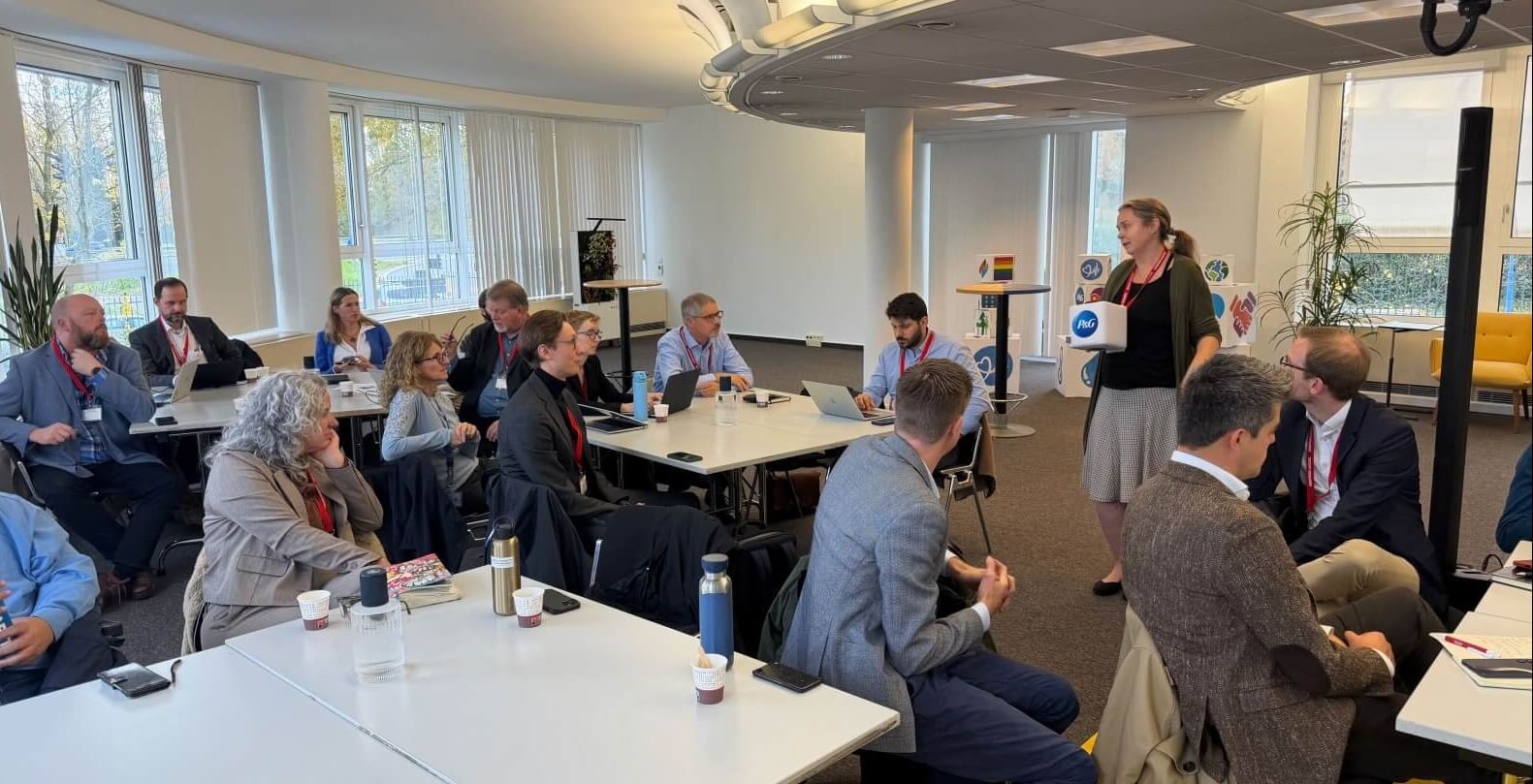
Key Themes:
-
Strategic priorities for 2026 and beyond: decarbonization, circularity, safer materials, transparency, and competitiveness.
-
Corporate sustainability ambitions and the need for reliable supply chains.
-
Challenges such as scaling solutions, investment gaps, and competing with incumbent technologies.
-
The critical role of policy and regulatory stability to support long-term investments.
-
Opportunities for collaboration: pre-competitive partnerships, confidential information-sharing platforms, and collective market signals to drive demand.
Barriers & Opportunities Discussed:
-
Transparency gaps and lack of standardized platforms for data sharing.
-
Scaling challenges and investment gaps for new raw materials.
-
Insufficient standards and certification frameworks favoring petrochemistry.
-
Competitiveness issues and consumer perception hurdles.
-
Regulatory instability undermining long-term investments.
Proposed Solutions:
-
Unified frameworks and standards for sustainability metrics.
-
Demand aggregation and shared investment models.
-
Mechanisms for IP sharing across the value chain.
-
Inclusive collaboration involving SMEs and start-ups.
-
Incremental innovation rewards to avoid “perfect is the enemy of good.”
Change Chemistry also introduced its Portfolio Transformation Toolkit and Policy Advocacy Toolkit to support members in navigating regulatory environments and driving market transformation.
Policy Briefing – REACH for Innovation
Brussels, Nov 6, 2025
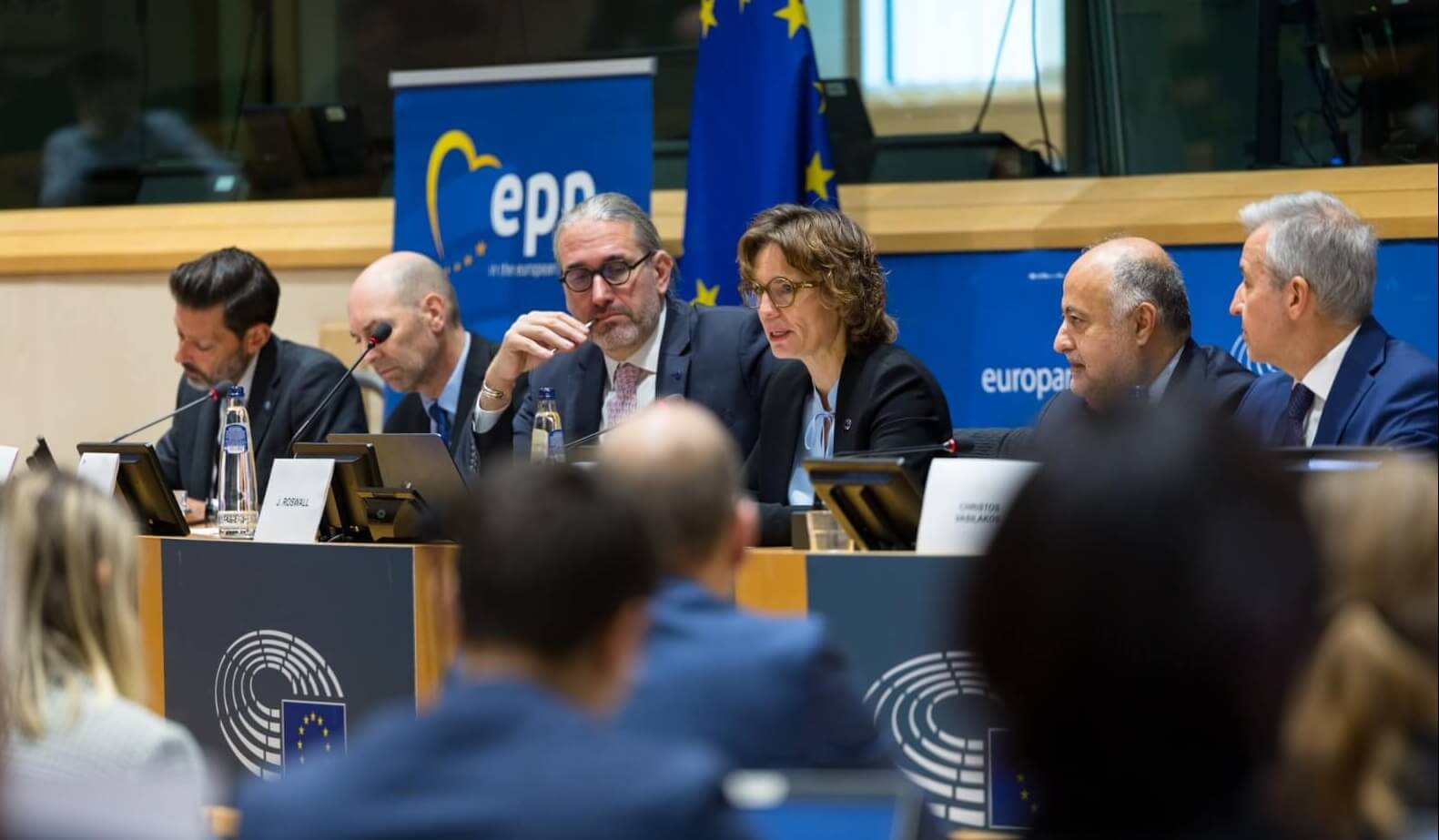
The European Parliament briefing was the centerpiece of our efforts and was extremely well received. This event marked Change Chemistry’s first major policy convening in Europe, to support a broader initiative to build EU policymaker understanding of the complexities of industry’s transition to safer, more sustainable chemistry and the critical role policy incentives play in that journey.
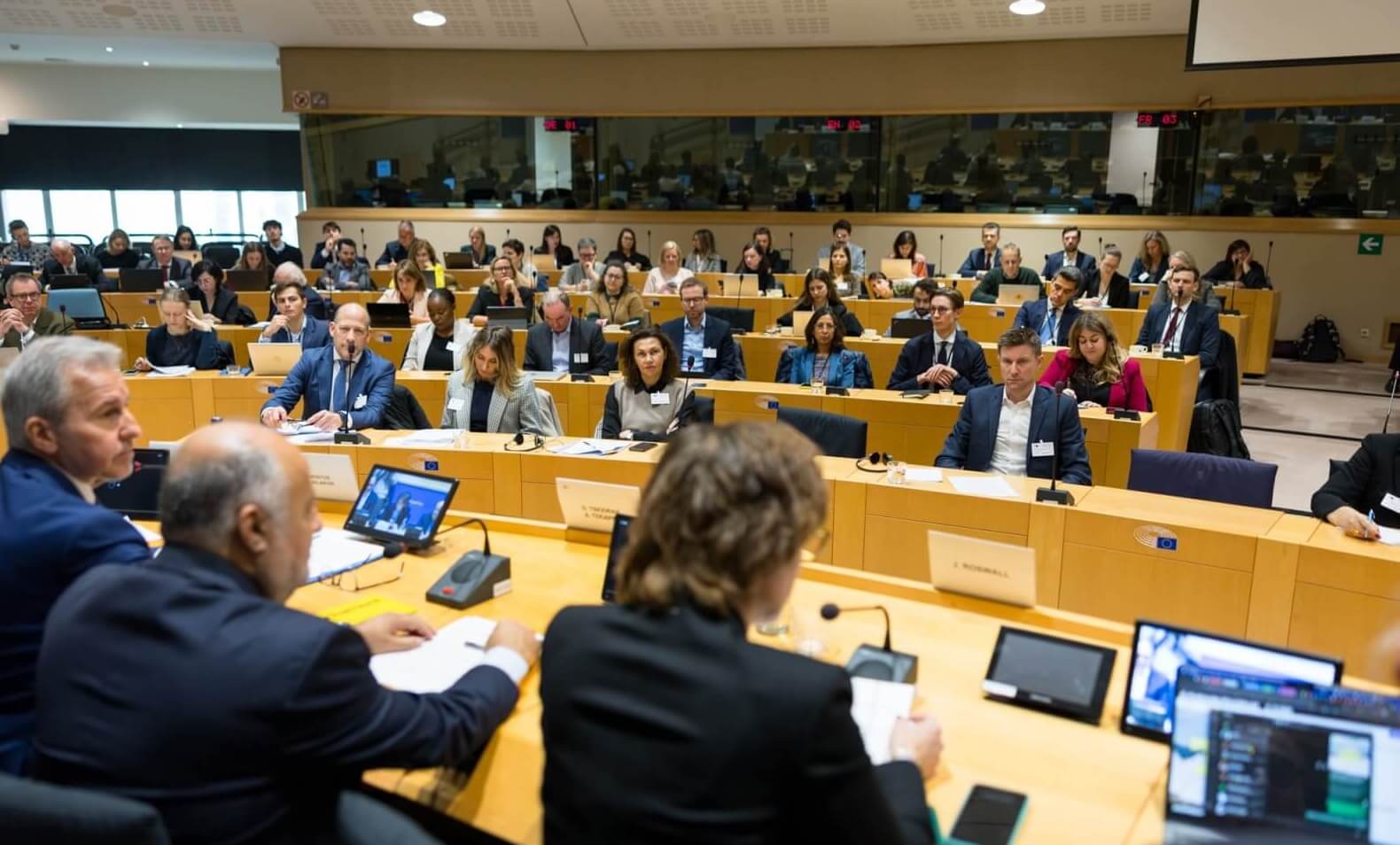
The day was designed to foster meaningful engagement between Change Chemistry members and EU policymakers, starting with a Parliamentary briefing that included MEP Dimitrios Tsiodras (EPP, Host), MEP Martin Hojsik (Renew, Vice President of the European Parliament, Host), Commissioner Jessika Roswall and Danish attaché Mathias Bach Kirkegaard. Change Chemistry members Jan Weernink (IFF), Laura Kherbeck (Dow), Dr. Ana Kljuic (L’Oréal), Sjoerd Dijkstra (Henkel) served as panelists, in a discussion moderated by Dr. Joel Tickner. The Parliamentary briefing drew 130 registrants, including 10 MEP offices, staff from the European Commission and Member State agencies and a diverse group of business, trade associations, NGO’s and other interest groups.
In the afternoon, a robust and open dialogue between 15 Change Chemistry members and 10 experts from DG Environment and DG Grow explored ways in which government policies and programs – such as REACH reform and efforts under the Chemical Industry Action Plan - can more effectively support among companies along the value chain working to advance sustainable chemistry solutions.
Why This Matters
Change Chemistry is uniquely positioned to bring together the entire value chain including chemical producers, brands, retailers, and innovators alongside NGOs and other stakeholders. This diversity of voices is critical to driving meaningful and lasting change.
“Well-designed government policy can stimulate sustainable chemistry innovation, reduce switching costs, promote value chain collaboration and accelerate market adoption. A consistent and implementable policy framework is a critical driver to enable sustainable chemistry innovations to get to market; but it must be supplemented with smart incentives to ensure adoption and scale.”- Joel Tickner
Key Takeaways – Five Critical Incentive Types
-
Tax benefits for sustainable feedstocks and products.
-
Regulatory frameworks to accelerate market access and address incumbents.
-
Subsidies for infrastructure, market transformation, and innovation clusters.
-
Industrial & R&D grants for research and deployment.
-
Demand-pull mechanisms like ecolabels and public procurement.
What’s Next
-
Development of the 2026 Change Chemistry policy agenda, informed by this robust discussion.
-
Early next year, we will unveil a major report resulting from a year-long transatlantic dialogue among Change Chemistry members, examining categories and combinations of policy incentives to accelerate the development, commercialization, and scale of sustainable chemistry.
Stay tuned for a detailed message from Joel Tickner with more insights and next steps from the Brussels Policy Event.
View Photos