2026 European Forum

Building the Infrastructure for Safe and Sustainable Chemistry
13-14 October 2026
Merck KGaA, Darmstadt, Germany
The transition to safe and sustainable chemistry requires more than innovation alone. It requires the broader ecosystem infrastructure of standards, data, metrics, and practices that help organizations identify priorities, guide investment, accelerate innovation, and measure progress.
Join Change Chemistry and leaders from across the chemical value chain for a hands-on forum focused on strengthening the market infrastructure needed to advance the transition.
Through a series of interactive working sessions, participants will examine five essential functions of a well-performing safer chemistry ecosystem: clear market signals, supportive policy environments, effective innovation guidance, and meaningful performance measurement. Insights generated during these discussions will directly inform practical tools under development—including the Safer Chemistry Transition Framework and emerging benchmarking approaches—that can help organizations prioritize action, guide decision-making, and demonstrate progress.
Together, participants will help shape the infrastructure needed to accelerate innovation, improve transparency, strengthen accountability, and expand the availability of safe and sustainable chemistry solutions across markets and value chains.
Registration Information
| Member Tickets | Price |
| Company, Consultant | $750 |
| Startup, Academic, Government | $450 |
| Nonmember Tickets | Price |
| Company, Consultant, Trade Associations | $1,200 |
| Startup, Academic, Government | $500 |
What is included with an in-person ticket?
- Agenda packed with startup event, keynote speakers, informative panel sessions, breakout discussions and tour
- Quality networking time with industry peers
- 2 Light Breakfast Meals
- 2 Lunch Meals
- 1 Evening Reception
- Coffee Breaks
Attendee List
To receive a copy of the 2026 European Forum attendee list, you must consent to sharing your contact information (name, organization, title, email) during the registration process.
Refund Policy
No refunds or credits will be granted after 13 September 2026. Refunds will not be given for no-shows. Anyone who is registered but cannot attend may send a substitute. Please contact Jenny MacKellar to communicate any changes to an existing event registration.
Sponsorship Opportunities
Sponsoring the 2026 European Forum provides your company with an opportunity to demonstrate its commitment to green chemistry and raise its profile as a leader in sustainability to customers, suppliers, and other stakeholders. We have some great sponsorship packages available. Contact us today!
Curious about our events? Click here to hear from our past participants
Agenda
| October 13 | |
| 8:30 AM - 9:00 AM | Registration and Light Breakfast with Refreshments |
| 9:00 AM - 9:30 AM | Opening Session: Building the Infrastructure for Transition |
| 9:30 AM - 10:30 AM | Session 1: Creating Clear Market Signals |
| 10:30 AM - 11:15 AM | Networking Break |
| 11:15 AM - 12:30 PM | Session 2: Shaping the Policy Environment |
| 12:30 PM - 1:30 PM | Networking Lunch |
| 1:30 PM - 2:45 PM | Session 3: Translating Need into Innovation |
| 2:45 PM - 3:30 PM | Networking Break |
| 3:30 PM - 5:00 PM | Session 4: Measuring Transition Progress |
| 5:00 PM - 6:00 PM | Merck KGaA Site Tour |
| 6:30 PM - 8:30 PM | Networking Dinner |
| October 14 | |
| 8:30 AM - 9:00 AM | Registration and Light Breakfast with Refreshments |
| 9:00 AM - 12:00 PM | Session 5: Co-Creating the Safer Chemistry Transition Framework |
| 10:00 AM - 10:45 AM | Networking Break |
| 10:45 AM - 12:00 PM | Session 6: Making the Business Case |
| 12:00 PM - 12:45 PM | Networking Lunch |
| 12:45 PM - 1:15 PM | Session 7: Hazard-Based Levels of Concern |
| 1:15 PM - 2:30 PM | Session 8: Context-Based Prioritization Factors |
| 2:30 PM - 3:00 PM | Networking Break |
| 3:00 PM - 3:30 PM | Closing Session |
Please note that this event agenda is preliminary and subject to change.
DAY 1: Understanding What the Market Ecosystem Needs
08:30–09:00 | Registration and Light Breakfast with Refreshments
09:00–09:30 | Opening Session : Building the Infrastructure for Transition
The safer chemistry transition depends on the ability of many stakeholders—including retailers, brands, chemical manufacturers, innovators, policymakers, investors, and civil society organizations—to work within a shared marketplace and ecosystem that rewards innovation, drives sustainability and enables competitiveness and resilience.
This opening session will introduce the Forum's central objective: identifying opportunities to strengthen the market infrastructure that supports the transition. Participants will learn how discussions throughout the Forum will contribute to practical tools, frameworks, metrics, and guidance designed to help companies accelerate progress toward safer chemistry.
SPEAKER:
Jason Pearson, Executive Director, Change Chemistry
09:30–10:30 | Session 1 : Creating Clear Market Signals
How can organizations across the chemical value chain communicate priorities in ways that support safer product development?
Demand for safer and more sustainable chemistry continues to grow, yet chemical manufacturers, formulators, brands, retailers, and innovators often navigate a complex landscape of evolving customer expectations, regulatory requirements, and market drivers when making investment and product development decisions.
This interactive session will bring together perspectives from across the value chain to explore the business drivers, information needs, transparency considerations, and implementation challenges that influence decision-making. Participants will discuss how market priorities are communicated, where uncertainties and information gaps exist, and what approaches may help provide greater clarity for organizations developing and commercializing safer chemistry solutions.
Key Question:
What information, expectations, and tools would help provide clearer insight into market needs and priorities for safer chemistry?
MODERATOR:
Jason Pearson, Executive Director, Change Chemistry
SPEAKERS:
- Sjoerd Dijkstra, Director Sustainability Strategy and Excellence , Henkel AG & Co. KGaA
- Jeffrey Whitford, Chief Sustainability, Social Responsibility, and Inclusion Officer, Merck KGaA
10:30–11:15 | Networking Break
11:15–12:30 | Session 2 : Shaping the Policy Environment
How can policy support innovation and adoption?
Public policy helps shape the conditions under which safer and sustainable chemistry innovations are developed, commercialized, and adopted. Regulatory and voluntary policy frameworks, procurement programs, and incentives can all influence investment decisions and market outcomes.
This session will explore how policy shifting developments in Europe and beyond can positively or negatively affect the business case for safer chemistry, where policy can help address barriers to adoption, and how public-sector priorities intersect with broader objectives related to sustainability, competitiveness, and innovation.
Participants will discuss the role of policy in creating an environment that supports both innovation and market uptake, particularly in the context of recent changes in regulatory policies in Europe. Participants will explore lessons learned from parallel policy initiatives in the United States.
Key Questions:
Which policy approaches can most effectively encourage medium to longer term innovation, investment, and adoption of safer chemistry solutions, particularly as regulatory policies evolve?
How can policy drive and enable innovation and adoption of safer chemistry solutions outside of REACH reform?
MODERATOR:
Joel Tickner, Strategic Advisor, Change Chemistry
SPEAKERS:
- Alex Majer, Government Affairs Director , Dow
- Brynne Stanton, Theme Lead - Bioeconomy, World Economic Forum
- Frauke Stock, Head of Chemicals, UBA
- Theresa Kjell, Head of Policy, ChemSec
12:30–13:30 | Networking Lunch
13:30–14:45 | Session 3 : Translating Need into Innovation
How do we define the characteristics of successful alternatives?
Innovation is most effective when innovators understand what success looks like.
This collaborative working session will explore how value-chain stakeholders can better communicate technical requirements, safety and sustainability criteria, performance needs, and market expectations to the research and innovation community.
Participants will help identify the information and criteria needed to create more effective innovation briefs and category-specific guidance that can accelerate development of safer chemistry solutions.
Key Question: How can market needs be translated into practical guidance for innovators and product developers?
MODERATOR:
Jason Pearson, Executive Director, Change Chemistry
SPEAKERS:
- Alexis Bazzanella, Director Innovation Hub, International Sustainable Chemistry Collaborative Centre (ISC3)
- Peter Nieuwenhuizen, Founding Partner, SureChem
- Martin Rahmel, CEO, greenCHEM
14:45–15:30 | Networking Break
15:30–16:45 | Session 4 : Measuring Transition Progress
What metrics can help companies and investors identify leadership?
Organizations increasingly need ways to demonstrate progress toward safer and more sustainable chemistry. At the same time, investors, customers, and other stakeholders need credible information that helps distinguish meaningful action from aspiration.
This session will explore the role that transition metrics, benchmarks, and disclosure approaches can play in supporting decision-making, accountability, and investment. Participants will discuss what progress should look like, what information is most useful for evaluating performance, and how measurement can help accelerate change.
Key Question: How should organizations measure and communicate meaningful progress toward safer chemistry?
MODERATOR:
Jason Pearson, Executive Director, Change Chemistry
Evening Program:
17:00–18:30 | Merck KGaA Site Tour
18:30–20:30 | Networking Dinner
DAY 2: From Insights to Infrastructure
08:30–09:00 | Registration and Light Breakfast with Refreshments
09:00–09:15 | RECAP : Building the Infrastructure for Transition
The safer chemistry transition depends on the ability of many stakeholders—including retailers, brands, chemical manufacturers, innovators, policymakers, investors, and civil society organizations—to work within a shared marketplace and ecosystem that rewards innovation, drives sustainability and enables competitiveness and resilience.
This session will recap the Forum's central objective: identifying opportunities to strengthen the market infrastructure that supports the transition. Participants will learn how discussions throughout the Forum will contribute to practical tools, frameworks, metrics, and guidance designed to help companies accelerate progress toward safer chemistry.
SPEAKER:
Jason Pearson, Executive Director, Change Chemistry
09:15–10:00 | Session 5 : Safer Chemistry Transition Framework
Applying ecosystem insights to practical tools for action
Day 1 focused on identifying opportunities to strengthen the ecosystem that supports the safer chemistry transition. Day 2 shifts from diagnosis to development.
Participants will review and provide input on the evolving Change Chemistry Safer Chemistry Transition Framework, examining how insights related to market demand, policy conditions, innovation guidance, and performance measurement can be incorporated into a practical framework for companies seeking to accelerate progress.
Discussion will focus on testing assumptions, identifying gaps, and strengthening the framework's usefulness as a tool for prioritization, implementation, and communication.
MODERATOR:
Jason Pearson, Executive Director, Change Chemistry
10:00–10:45 | Networking Break
10:45–12:00 | Session 6 : Making the Business Case
What convinces an organization to act on the transition to safer chemistry?
Organizations may recognize the importance of transitioning to safer chemistry but still struggle to secure the leadership attention, resources, and cross-functional commitment needed to act. The case for action can differ depending on the organization, its position in the value chain, and the strategic priorities of internal decision-makers.
This session will explore the factors that make safer chemistry a compelling business priority—including risk reduction, customer expectations, innovation, resilience, and competitive advantage—and identify the information, tools, and external support that can help participants build a stronger internal case for action..
MODERATOR:
Jason Pearson, Program Director, Change Chemistry
12:00–12:45 | Networking Lunch
12:45–13:15 | Session 7 : Hazard-Based Levels of Concern
How can we understand levels of concern at the ingredient level?
Participants will review the proposed UNDERSTAND component of a Safer Chemistry Transition Framework, which focuses on assigning ingredient substances to a level of concern based on inherent hazard.
MODERATOR:
Jenny MacKellar, Program Director, Change Chemistry
13:15–14:30 | Session 8 : Context-Based Prioritization Factors
How should we prioritize based on product-level context??
Participants will discuss options for the PRIORITIZE component of a Safer Chemistry Transition Framework, which focuses on prioritizing ingredient substances of concern based on product-level context.
MODERATOR:
Jenny MacKellar, Program Director, Change Chemistry
14:30–15:00 | Networking Break
15:00–15:30 | Closing Session
Participants will review key insights from the Forum, identify priority next steps, and discuss opportunities for continued collaboration in development of a Safer Chemistry Transition Framework, transition metrics, benchmarks, and other practical tools designed to accelerate the transition to safe and sustainable chemistry.
MODERATOR:
Jason Pearson, Executive Director, Change Chemistry
Event Moderators
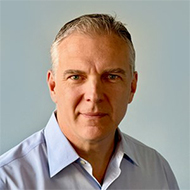 SESSION 3 & 5
JASON PEARSON
Executive Director at Change Chemistry
Jason Pearson is Executive Director of Change Chemistry, bringing three decades of experience building, leading, and advising collaborative sustainability initiatives. He previously served as Founding CEO and Chair of the Sustainable Purchasing Leadership Council, harnessing market influence to advance environmental and social goals. As the Founding CEO of GreenBlue, he spearheaded innovative supply chain projects like the Sustainable Packaging Coalition, CleanGredients, and the How2Recycle program. Jason has also led strategic advisory work for government, civil society, and private sector clients through Anthesis and TRUTHstudio, and managed research projects such as Economy Map, which visualized how economic demand shapes supply chain impacts. He has overseen grantmaking initiatives for The Summit Foundation and the National Endowment for the Arts. Jason holds undergraduate and graduate degrees from Princeton University.
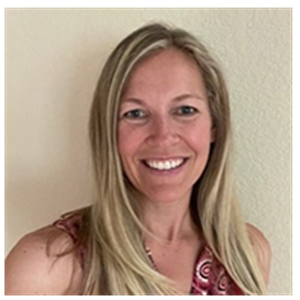
 SESSION 1 & 6
JENNY MACKELLAR
Program Director at Change Chemistry
Jenny is responsible for coordinating the expansive portfolio of Change Chemistry member offerings that include projects, work groups and more. She works closely with the Change Chemistry membership to help organizations optimize their engagement. Jenny is also lead on all Change Chemistry events, including the annual Innovators Roundtables and European Forums. Before joining the Change Chemistry, Jenny spent nine years at the ACS Green Chemistry Institute coordinating green chemistry education initiatives, awards programs, and events, including the annual Green Chemistry & Engineering Conference. Prior to that, Jenny worked with various U.S. government agencies, including the National Science Foundation and the National Institutes of Health. In these roles, she focused on science communication, science policy, federal grant management, and information technology solutions. Jenny holds a M.Sc. degree in molecular and integrative physiology from the University of Michigan and received her B.S. from the University of Denver in molecular biology with minors in chemistry and Spanish.
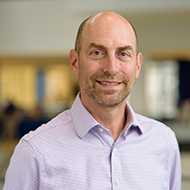 SESSION 2 & 4
JOEL TICKNER
Strategic Advisor at Change Chemistry
Dr. Joel Tickner is a Professor of Public Health at the UMass Lowell. He is founder and Strategic Advisor of Change Chemistry (formerly Green Chemistry & Commerce Council). He is a leading expert on application of green chemistry and alternatives assessment in science and policy. He has served on a number of EPA and National Academy of Sciences advisory committees and advises government agencies around the world. He holds a Masters of Science degree in Environmental Studies from the University of Montana and a Doctor of Science Degree from the Department of Work Environment at UMass Lowell.
Session Speakers
Session 1: Creating Clear Market Signals
 SPEAKER
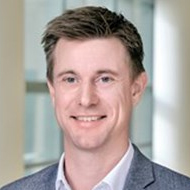
SJOERD DIJKSTRA
Director Sustainability Strategy and Excellence at
Henkel AG & Co. KGaA
Sjoerd Dijkstra, Director Sustainability Strategy and Excellence, Henkel Adhesives Technologies. Sjoerd’s passion is to develop business solutions that create positive impact on society, resulting in a fair, healthy and sustainable world. In his current role, Sjoerd leads various key strategic sustainability projects and drives Henkel’s sustainable business transformation. Before joining Henkel, he worked as a Global Lead for Strategic Marketing & Sustainability at Covestro and worked for DSM in the field of biofuels and biochemicals and malnutrition in Africa. Sjoerd was also member of the High Level Round table for the Chemical strategy for sustainability in Europe, representing Covestro. Sjoerd holds an MSc. in Aerospace engineering from Delft University of Technology.
 SPEAKER
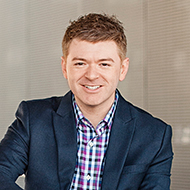
JEFFREY WHITFORD
Vice President of Sustainability & Social Business Innovation
at MilliporeSigma
Jeffrey Whitford is Vice President of the award-winning Sustainability & Social Business Innovation function at the Life Science business of Merck KGaA, Darmstadt, Germany, which operates in the U.S. and Canada as MilliporeSigma. In his role, Jeffrey leads with purpose and imagination, embedding sustainability across every part of the global Life Science business. From product design and packaging to supply chain, manufacturing, and social impact, his work helps drive new business models, operational resiliency, margin expansion and cost efficiency. Jeffrey has been the driving force behind several industry-first innovations, including the award-winning DOZN™ tool for quantifying the ‘greenness’ of a chemical product, a Biopharma Recycling Program for single-use and disposable plastics, and the new bio-based solvent line Cyrene™. He also spearheaded the SCALE, SHAPE, SMASH and SHIFT frameworks to embed sustainability throughout the product lifecycle, operationalize circular packaging and close the loop on lab plastics.
Jeffrey serves on the boards of the American Chemical Society’s Green Chemistry Institute and My Green Lab, and is a member of the Economist Impact CSO Leaders Club and Fast Company Executive Board. His accolades include being named one of Fast Company’s Most Creative People in Business and a Sustainability Hero of the Year by the Business Intelligence Group. Jeffrey holds a bachelor’s in journalism and strategic communications from the University of Missouri-Columbia and an MBA from Washington University in St. Louis.
Session 3: Translating Need into Innovation
 SPEAKER
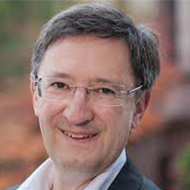
ALEXIS BAZZANELLA
Director of the Innovation Hub of the International Sustainable Chemistry Collaborative Centre (ISC3)
Dr. Alexis Michael Bazzanella is Director of the Innovation Hub of the International Sustainable Chemistry Collaborative Centre (ISC3). He has more than 20 years of experience in the initiation and management of research and innovation programmes and projects in the chemical sector.
Alexis graduated in Chemistry in 1994 and finalized his PhD from Technical University Darmstadt in 1998. Following three years of R&D in a drug discovery start-up company in Hamburg he joined DECHEMA Society for Chemical Engineering and Biotechnology (the host organization for the ISC3 Innovation Hub), in 2001. There, he is Department Head of Chemistry and responsible for public research and innovation funding in the areas of sustainable chemistry and chemical process technologies. In his role in ISC3 he and his team support start-ups in sustainable chemistry globally with the mission to promote a holistic sustainability approach that embeds sustainable technologies, processes and products throughout supply chains.
His fields of expertise, besides entrepreneurship and sustainable chemistry, include also energy and resource efficient chemical processes, chemical CO2 conversion and technologies for process intensification including microreaction engineering, continuous flow processes and catalysis.
 SPEAKER
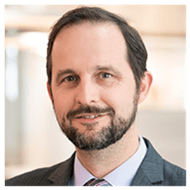
PETER NIEUWENHUIZEN
Chair of the Board at Change Chemistry
Dr. Peter Nieuwenhuizen is Chair of the Board of Change Chemistry (formerly GC3, the Green Commerce & Coalition), founded in the US.
Peter holds a PhD in chemistry from Leiden University. He started his career in AkzoNobel, the coatings & chemicals company, where he held positions in R&D sales & marketing, supply chain, as CTO, and in sustainability. Peter also worked as a strategy consultant for Arthur D. Little, and was co-founder of ECBF, the European Circular Bioeconomy Fund. Peter lives in Amersfoort, The Netherlands, with his spouse and two children in Amersfoort.
Registration Options
|
Registration Options
|
Price |
|---|---|
|
Nonmember: Company, Consultant
|
$1,200.00 |
|
Nonmember: Startup, NGO, Academic, Govt
|
$500.00 |
|
European Forum 2026 Gold Sponsor
Company logo will be featured prominently throughout the event, on all conference marketing materials and permanently on our website 1 free event registration Verbal and promotional recognition throughout the event Social media recognition |
$15,000.00 |
|
European Forum 2026 Silver Sponsor
Company logo will be featured prominently throughout the event, on all conference marketing materials and permanently on our website 2 free event registrations Verbal and promotional recognition throughout the event Social media recognition Recognition in press release |
$10,000.00 |
|
European Forum 2026 Bronze Sponsor
1 free event registration Verbal and promotional recognition throughout the event Social media recognition Recognition in press release |
$5,000.00 |
|
European Forum 2026 Dinner Sponsor
Host one of the event’s premiere networking events Recognition during in the evening’s remarks 1 free registration Opportunity to address your peers in a more casual environment Social media promotion Logo on website |
$10,000.00 |
|
European Forum 2026 Panel Sponsor
Company logo will be featured prominently throughout the event, on all conference marketing materials and permanently on our website Verbal and promotional recognition throughout the event Social media recognition Recognition in press release |
$2,000.00 |
Support the Future of Safer Chemistry
Advancing safer chemistry requires continued dialogue, innovation, and collaboration across the chemical value chain.
Sponsors of this forum help support a trusted space where leaders from industry, government, finance, and other sectors can exchange perspectives, share experiences, and explore the opportunities and challenges shaping the future of chemistry.
By supporting this event, sponsors demonstrate their commitment to:
- Encouraging innovation in safer and more sustainable chemistry
- Supporting knowledge exchange across industries and sectors
- Engaging with leaders navigating the transition toward safer solutions
- Advancing meaningful conversations about the future of chemistry
Together, we can support the continued exchange of ideas and perspectives needed to accelerate progress toward safer chemistry solutions. Please contact Jenny MacKellar to learn more about sponsor opportunities.
Host Sponsor:

Merck KGaA, Darmstadt, Germany
Recommended Airport
The closest major airport to Darmstadt is Frankfurt Airport (FRA), located about 20 kilometers (12 miles) north of the city.
Frankfurt Airport (FRA)
Address: 60547 Frankfurt am Main, Germany
Website: www.frankfurt-airport.com
Frankfurt Airport is well connected by a wide range of transportation options. Whether you're arriving or departing by train, bus, taxi, long-distance coach, or shuttle service, you'll find everything you need here to get to and from the airport.
Getting to the Event Venue from Airport
The Merck KGaA, Darmstadt, Germany campus is approximately 25 km (16 miles) from Frankfurt Airport.
- Taxi / Ride-Share: Available directly outside terminals. Travel time is 20–30 minutes.
- Public Transit: Take the regional train from the airport to Darmstadt Central Station (Hauptbahnhof). From there, transfer to a local tram serving Darmstadt Nord or Merck. Total travel time: 40–55 minutes.
Event Venue Info:
Merck KGaA, Darmstadt, Germany (Headquarters)
Address: Frankfurter Strasse 250 64293 Darmstadt Germany
Phone: +49 6151 72-0
Website: www.emdgroup.com
Recommended Hotels
The properties below are recommended for their quality and convenient commute times to the Merck KGaA, Darmstadt, Germany campus (Frankfurter Str. 250).
Please note: Official room blocks are not being coordinated for this event. Attendees are responsible for their own lodging and are encouraged to book directly with their hotel of choice.
-
Moxy Darmstadt (Website) - Located west of the city center in a vibrant commercial district, offering straightforward travel options directly to campus.
-
-
Public Transit (Tram & Bus): 25 to 30 minutes
-
-
-
Driving / Taxi / Ride-Share: 10 to 15 minutes
-
-
Best Western Hotel Darmstadt Mitte (Website) - Located right in the city center, offering a highly convenient base with direct transit options straight to campus.
-
-
Public Transit (Direct Tram): 15 to 20 minutes
-
-
-
Driving / Taxi / Ride-Share: 10 to 15 minutes
(Note: Morning city center traffic can add a few minutes, making the direct tram line often faster than driving.)
-
-
Premier Inn Darmstadt City Center (Website) - Located west of the city center near the central railway station, offering a highly connected, predictable commute to campus.
-
-
Public Transit (Tram): 30 minutes
-
-
-
Driving / Taxi / Ride-Share: 12 to 15 minutes
-
-
greet hotel (Website) - Located in the western business district (Telekom-Viertel) and surrounded by green space, offering quiet accommodations with an easy commute to campus.
-
-
Public Transit (Bus & Tram): 20 to 30 minutes
-
-
-
Driving / Taxi / Ride-Share: 12 to 15 minutes
-
Getting Around Darmstadt
Darmstadt features an integrated transit network centered around Luisenplatz (downtown) and the Hauptbahnhof (Central Station).
-
Trams & Buses: Frequent (every 10–15 mins), connecting downtown to hotels and venues.
-
Airport Shuttle (AirLiner): Direct express bus from Frankfurt Airport (FRA) to Central Station every 30–60 mins.
-
Regional Trains & S-Bahn: Fast, direct connections to Frankfurt, Mainz, and Heidelberg.
-
Taxis & Ride-Share: Uber, FreeNow, and traditional taxi stands are widely available citywide.
Quick Traveler Tips:
-
One Ticket Rules All: One fare zone ticket allows free transfers between all buses, trams, and trains.
-
Best Apps: Use RMVgo or DB Navigator for real-time routing and digital tickets.
-
Passes: The Darmstadt Card offers unlimited local transit plus museum discounts. The nationwide Deutschland-Ticket is also fully accepted.
Parking at Event Venue
Merck KGaA, Darmstadt, Germany headquarters features a dedicated, signposted visitor parking garage (Besucherparkplatz).
- Location: Located off Frankfurter Straße (300m past the Shell station coming from the city center).
- EV Charging: Limited electric vehicle charging points are available inside the garage.
- Check-In Process: After parking, proceed to Building B31 (The Merck Innovation Center) Visitor Reception. A valid photo ID (passport or national ID card) is required to receive your visitor pass.
For More Information: